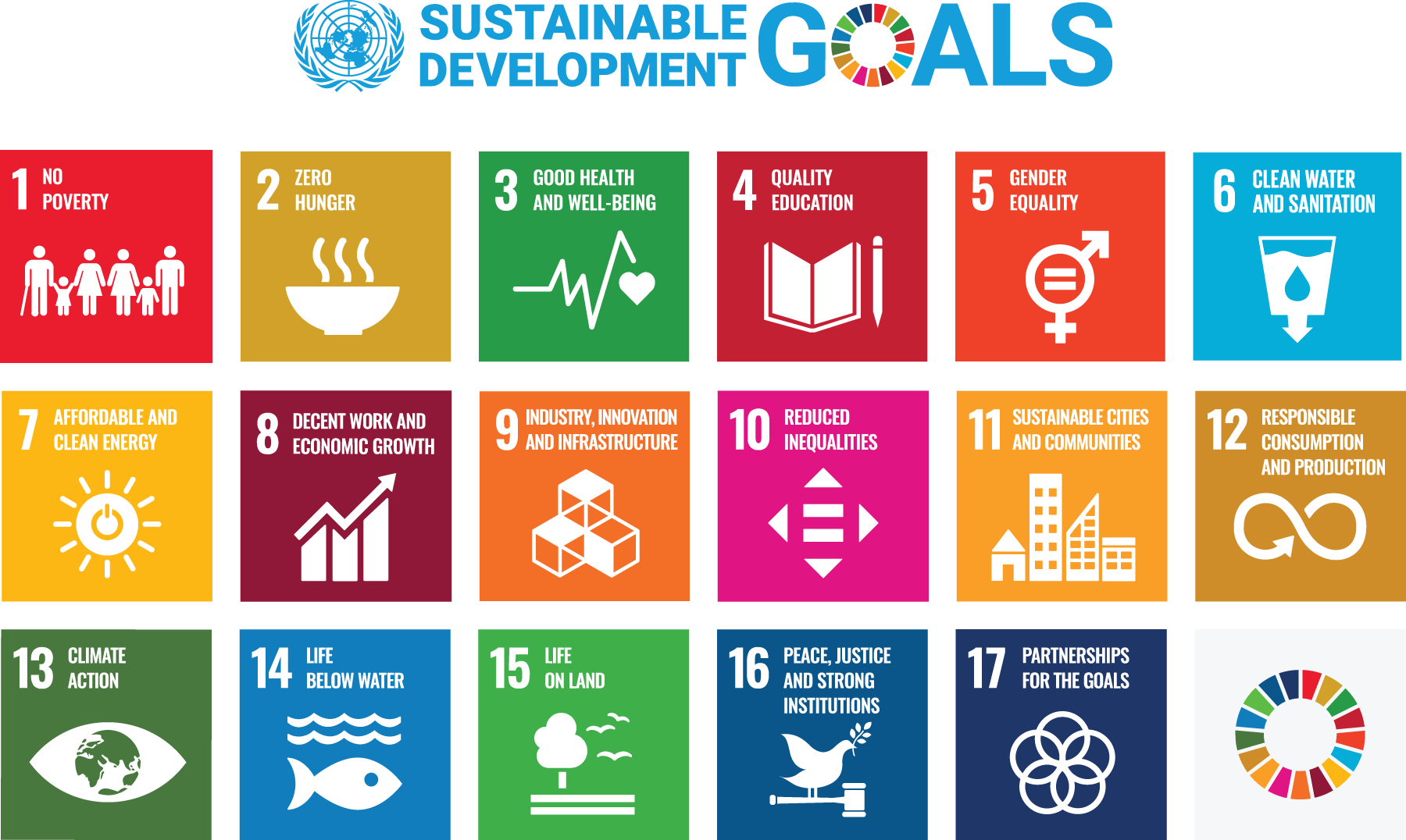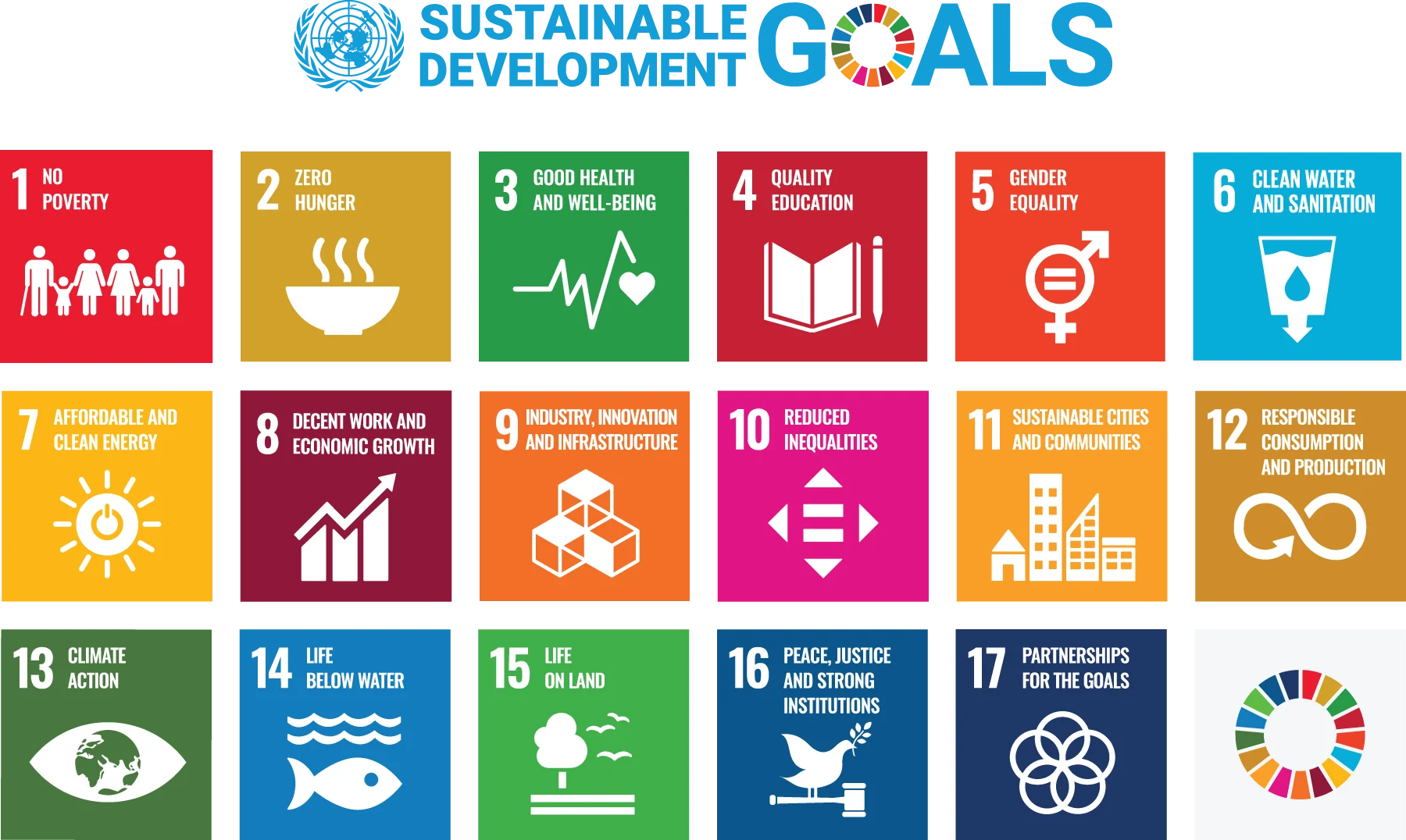

Develop Goals (SDGs) into their operations, recognise their ongoing accomplishments, and promote good practice. In addition, the Atlas outlines an extensive overview of the connection between the mining industry and the SDGs, including demonstrations of ways the mining industry can make positive contributions to sustainable development through relevant case studies.
A major advantage of the Atlas is its ability to bridge the gap between the mining industry and the concept of sustainable development.57 The Atlas calls attention to the positive contribution that mining can make towards sustainable development and encourages the inclusion of SDGs in business operations by mapping the relationship between mining activities and the SDGs. Additionally, by highlighting key areas mining can significantly impact the SDGs; such as reducing poverty, promoting economic growth, and access to clean water and sanitation, the Atlas demonstrates how companies can improve their ability to make constructive contributions to sustainable development.
Additionally, the Atlas presents a beneficial system that can be used to assess and measure the influence various mining activities have on the SDGs. In the Atlas, SDGs are aligned to relevant targets for the mining industry, allowing companies to monitor their progress and recognise areas for improvement. The alignment of goals and targets promotes accountability and transparency in the industry, helping guarantee companies continuously contribute to sustainable development.
One of the significant complications related to mining and sustainable development is the balance between economic viability and environmental or social concerns. The Atlas helps address this issue by illustrating a framework for mining companies to alleviate or diminish negative impacts on the SDGs.
Furthermore, a guideline to an increasingly sustainable and responsible mining industry is provided through the promotion of best practice and endorsement of collaboration with stakeholders.