


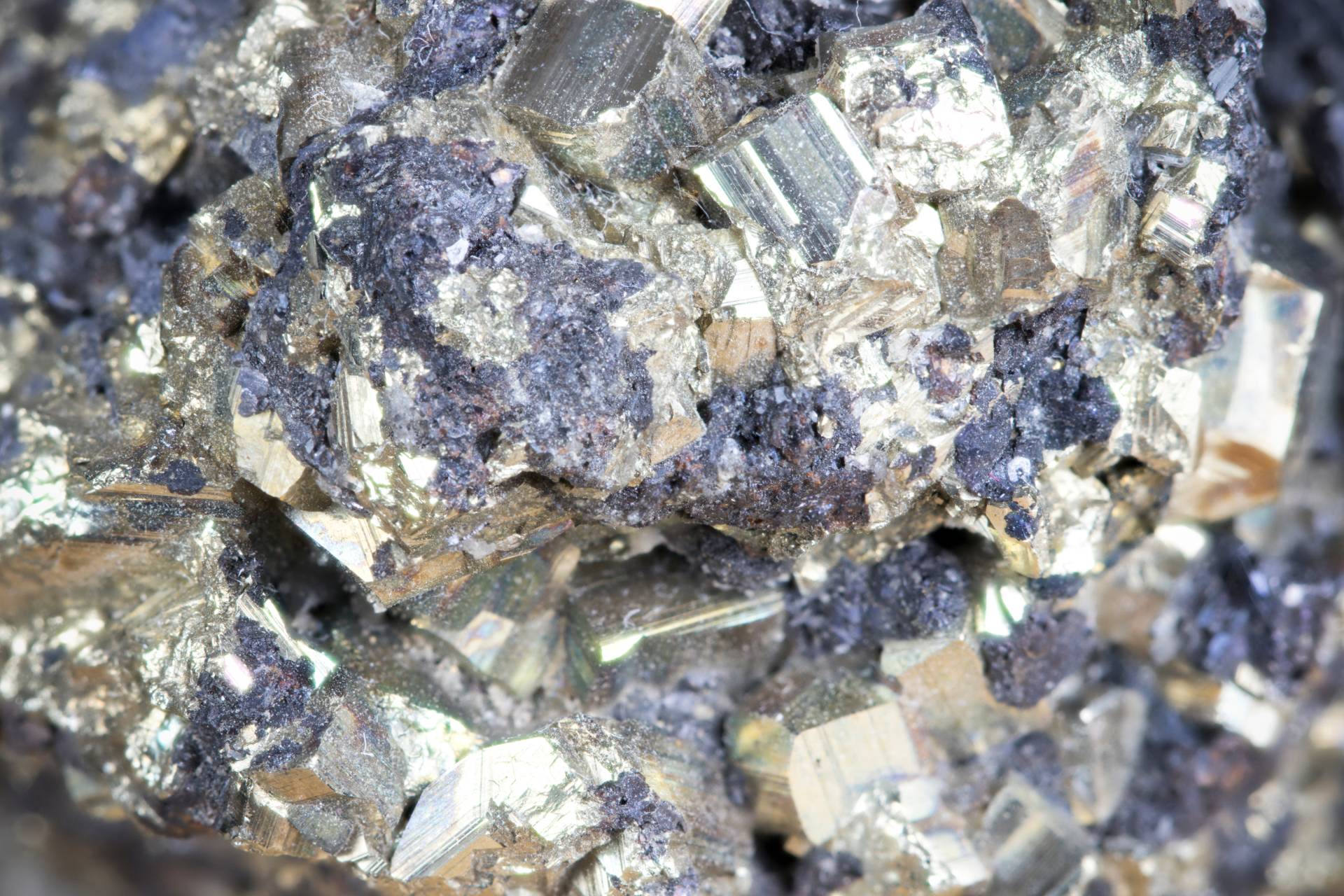
Zinc: Essential Element, Industrial Applications, and Environmental Concerns
What It Is: Zinc is a chemical element with the symbol Zn and atomic number 30. It is a bluish-white metal known for its corrosion resistance and essential role in various biological processes.
Geographical Distribution and Coexistence: Zinc is found in various parts of the world, often in association with other minerals like lead and copper. It is commonly found in sedimentary rock formations and is also present in ocean water.
Benefits to Society and Utilization: Zinc has diverse applications in industries such as construction, transportation, electronics, and agriculture. It is used in galvanizing steel, producing alloys, batteries, and even as a micronutrient in fertilizers.
Key Issues:
- Environmental Impact: Zinc mining and processing can lead to habitat disruption, soil erosion, and water pollution if not managed responsibly.
- Air and Water Pollution: Improper waste disposal from zinc mining and processing can lead to air and water pollution, affecting ecosystems and human health.
- Health Concerns: Workers in zinc mining and processing may face health risks associated with metal dust and fumes.
- Ecosystem Impact: Zinc pollution from mining and industrial activities can harm aquatic ecosystems and terrestrial vegetation.
- Waste Generation: Zinc extraction and processing generate waste materials that can have environmental consequences.
- Resource Depletion: Overexploitation of zinc resources can lead to depletion and reduced availability for future needs.
Factors Affecting Supply and Demand: Several factors influence the supply and demand dynamics of zinc:
- Construction Industry: Demand for zinc is driven by the construction and infrastructure sectors, where it is used for galvanizing steel.
- Automotive and Transportation: Zinc-coated steel is used in automobiles and other transportation infrastructure.
- Economic Conditions: Economic growth and industrial expansion impact zinc demand for various applications.
- Technological Advancements: Innovations in steel production, coatings, and electronics impact zinc usage.
- Sustainability Considerations: Increasing awareness of environmental concerns can influence zinc production practices.
- Recycling Efforts: Developing efficient recycling methods for products containing zinc can impact demand and reduce waste.
In conclusion, zinc's diverse applications and importance in various industries make it a valuable resource. Addressing environmental challenges associated with its extraction and usage is essential for a responsible and sustainable zinc industry.
References:
- U.S. Geological Survey. (2021). Zinc.
- International Zinc Association. (2021). Applications of Zinc.
- World Health Organization. (2021). Zinc and Its Compounds.
- Environmental Protection Agency. (2021). AP 42, Fifth Edition, Volume I: Chapter 12.18 Leadbearing Ore Crushing and Grinding.
- Environmental Science and Pollution Research. (2018). Ecotoxicity of Zinc to Terrestrial Higher Plants: A Review.
- Zinc Sustainability. (2021). The Zinc Industry's Approach to Sustainability.
