


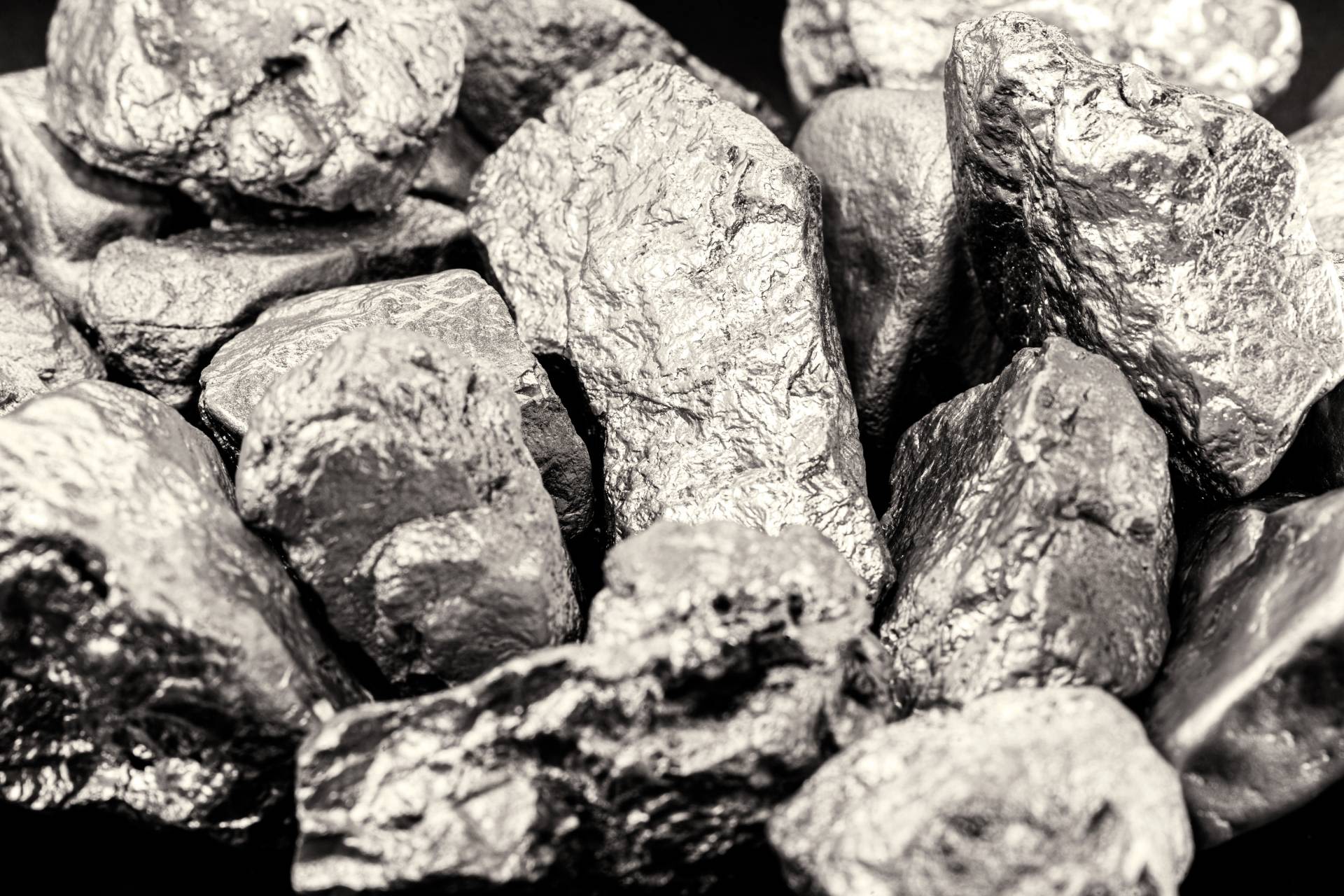
Tin: Essential Metal, Industrial Applications, and Environmental Concerns
What It Is: Tin is a chemical element with the symbol Sn and atomic number 50. It is a silvery-white metal known for its malleability, corrosion resistance, and low melting point.
Geographical Distribution and Coexistence: Tin is found in various parts of the world, often in association with other minerals like copper, lead, and zinc. It can be found in both primary deposits and as a byproduct of other mining activities.
Benefits to Society and Utilization: Tin has diverse applications in industries such as electronics, packaging, construction, and transportation. It is used in soldering materials, coatings, tinplate, and alloys.
Key Issues:
- Environmental Impact: Tin mining and processing can lead to habitat destruction, soil erosion, and water pollution if not managed responsibly.
- Deforestation: Some tin mining operations contribute to deforestation and habitat loss, particularly in tropical regions.
- Water Pollution: Improper waste disposal from tin mining and processing can lead to water pollution and impact aquatic ecosystems.
- Occupational Health: Workers in tin mining and processing may be exposed to health risks associated with metal dust and fumes.
- Conflict Minerals: In certain regions, tin mining has been linked to conflict minerals, contributing to social and ethical concerns.
- Waste Management: Proper handling and disposal of waste generated during tin processing are important to prevent environmental contamination.
Factors Affecting Supply and Demand: Several factors influence the supply and demand dynamics of tin:
- Electronics Industry: Demand for tin is driven by its use in soldering materials for electronics manufacturing.
- Packaging and Construction: Tin-coated materials are used in packaging and construction, influencing demand.
- Economic Conditions: Economic growth and industrial expansion impact tin demand for various applications.
- Sustainability Considerations: Increasing awareness of environmental and ethical concerns can influence tin production practices.
- Recycling Efforts: Developing efficient recycling methods for products containing tin can impact demand and reduce waste.
- Technological Advancements: Innovations in electronics and coating technology can impact tin usage.
In conclusion, tin's importance in various industries and its wide range of applications make it a valuable resource. However, addressing environmental, social, and ethical challenges associated with its extraction and usage is crucial for a responsible and sustainable tin industry.
References:
- U.S. Geological Survey. (2021). Tin.
- International Tin Association. (2021). Applications of Tin.
- World Wildlife Fund. (2012). Mining: The Hard Rock Mining Impact.
- Environmental Protection Agency. (2021). AP 42, Fifth Edition, Volume I: Chapter 12.18 Leadbearing Ore Crushing and Grinding.
- Global Witness. (2020). Responding to The Tin Crisis.
- ScienceDirect. (2021). Tin and Its Applications in Coatings.
