


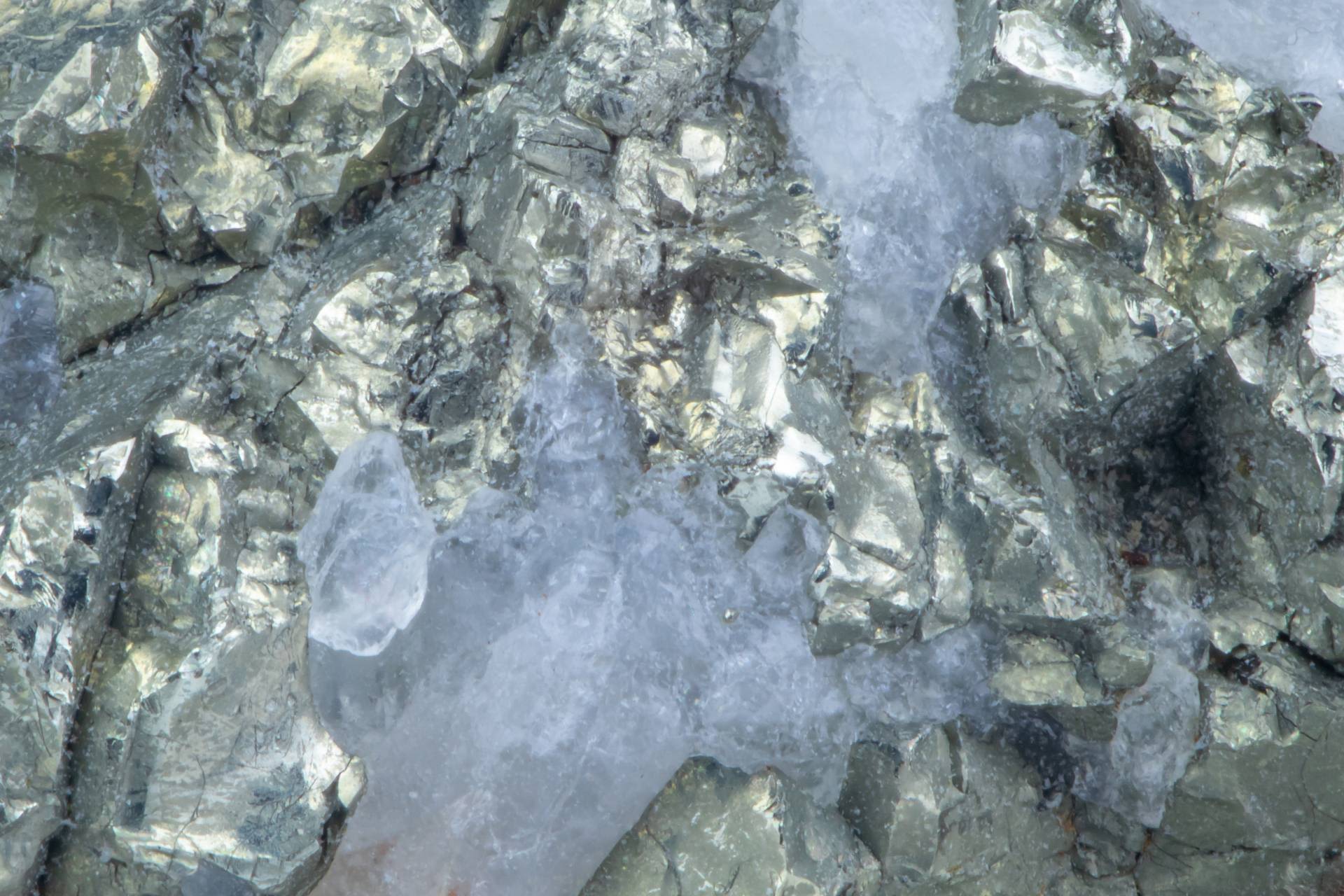
Silver: Precious Metal, Industrial Applications, and Environmental Considerations
What It Is: Silver is a chemical element with the symbol Ag and atomic number 47. It is a white, lustrous metal known for its conductivity, malleability, and corrosion resistance.
Geographical Distribution and Coexistence: Silver is found in various parts of the world, often in association with other minerals like copper, lead, and zinc. It is commonly found in ore deposits and mineral veins.
Benefits to Society and Utilization: Silver has diverse applications in industries such as electronics, photography, jewelry, and medicine. It is used in electrical contacts, solar panels, mirrors, coins, and various medical devices.
Key Issues:
- Environmental Impact: Silver mining and processing can lead to habitat destruction, soil erosion, and water pollution if not managed responsibly.
- Waste Generation: Silver extraction and processing generate waste materials that can have environmental consequences.
- Health Concerns: Workers in silver mining and processing may be exposed to health risks associated with metal dust and fumes.
- Energy Consumption: Certain silver extraction methods require significant energy input, impacting the metal's overall environmental footprint.
- E-Waste Impact: The growing use of silver in electronics contributes to the environmental impact of electronic waste.
- Recycling Challenges: Recovering silver from e-waste and other sources can be complex and energy-intensive.
Factors Affecting Supply and Demand: Several factors influence the supply and demand dynamics of silver:
- Industrial Demand: Silver's conductivity makes it valuable in electronics, driving demand for applications like photovoltaics and electronics.
- Photovoltaics: Demand for silver in solar panels for renewable energy production influences consumption.
- Economic Conditions: Economic growth and industrial expansion impact silver demand for various applications.
- Investment Demand: Silver's role as a store of value and investment can influence demand.
- Technological Advancements: Innovations in electronics, solar technology, and medical devices can impact silver usage.
- Recycling Efforts: Developing efficient recycling methods for products containing silver can impact demand and reduce waste.
In conclusion, silver's multifaceted applications and unique properties contribute to its importance in various industries. However, addressing environmental and health challenges associated with its extraction, usage, and e-waste is crucial for a responsible and sustainable silver industry.
References:
- U.S. Geological Survey. (2021). Silver.
- The Silver Institute. (2021). Applications of Silver.
- World Health Organization. (2021). Silver and Silver Compounds.
- Environmental Protection Agency. (2021). AP 42, Fifth Edition, Volume I: Chapter 12.13 Primary Copper Smelting.
- Forbes. (2020). The Surprising Connection Between Solar Panels, Silver, and the Climate Change Fight.
- SpringerLink. (2020). Critical Review on Silver in Electronics and Associated Toxicology.
