


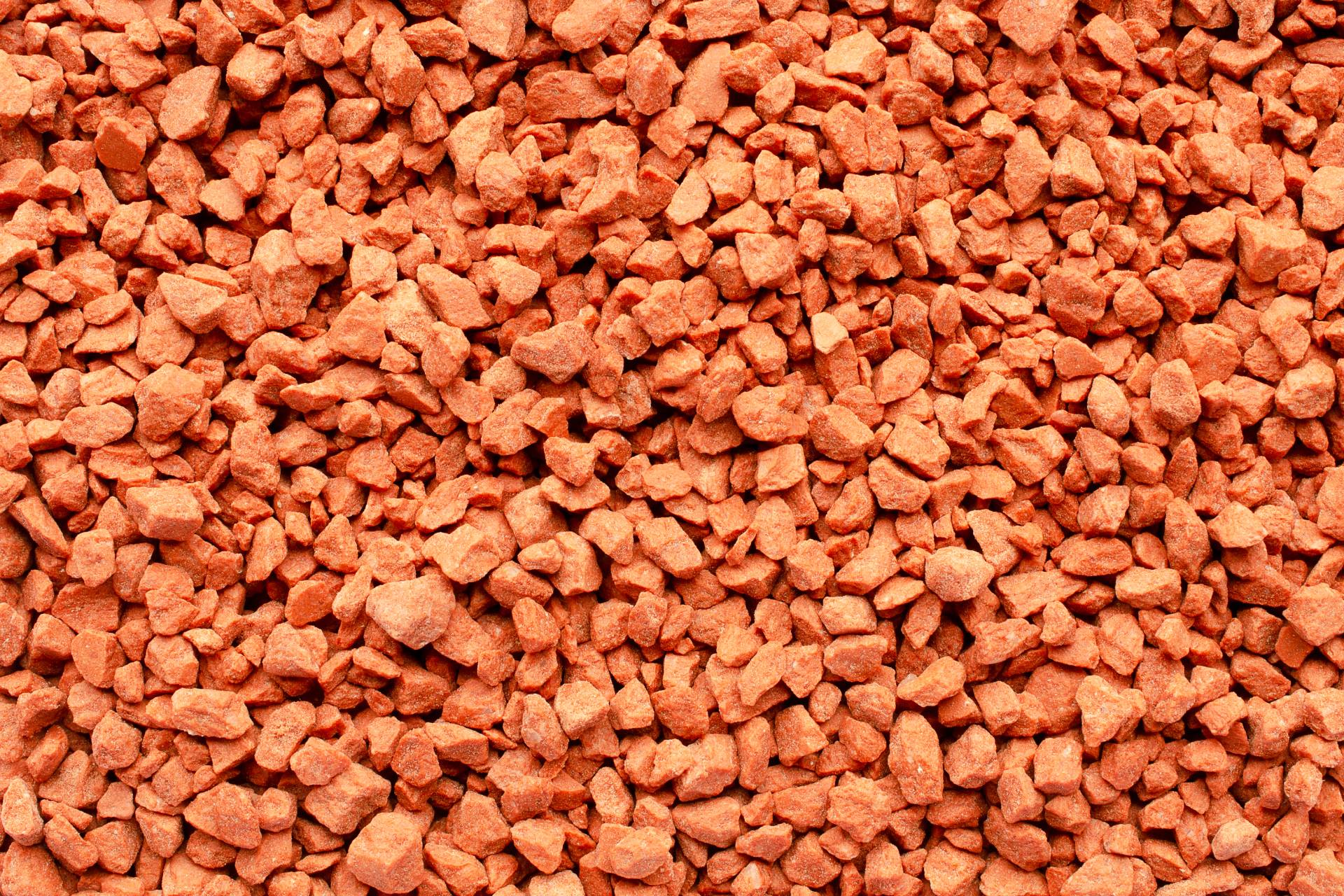
Potash: Vital Nutrient, Agricultural Impact, and Environmental Considerations
What It Is: Potash refers to various salts containing potassium, an essential nutrient for plant growth. It plays a crucial role in agriculture by enhancing crop yield and quality.
Geographical Distribution and Coexistence: Potash deposits are found in different parts of the world, with significant reserves in countries like Canada, Russia, and Belarus. It is often found in sedimentary rock formations and can coexist with other minerals.
Benefits to Society and Utilization: Potash is a key fertilizer ingredient, supplying the necessary potassium for plant health and growth. It helps improve crop yield, water retention, and disease resistance.
Key Issues:
- Environmental Impact: Potash mining and processing can lead to habitat disruption, soil erosion, and water pollution if not managed responsibly.
- Water Consumption: Some potash extraction methods involve high water usage, leading to concerns in water-scarce regions.
- Resource Depletion: Overexploitation of potash resources can lead to depletion and reduced availability for future agricultural needs.
- Salt and Soil Impact: Improper application of potash can lead to soil salinization, affecting soil fertility and crop productivity.
- Energy Consumption: Certain potash extraction and processing methods require significant energy input, contributing to environmental impact.
- Health and Safety: Workers in potash mining and processing may face health and safety risks associated with heavy machinery and dust exposure.
Factors Affecting Supply and Demand: Several factors influence the supply and demand dynamics of potash:
- Agricultural Demand: The demand for potash is closely linked to global agricultural practices, influencing crop productivity.
- Population Growth: As the global population grows, the demand for food and therefore potash increases.
- Crop Nutrient Requirements: Different crops have varying potassium needs, impacting potash demand.
- Soil Health Awareness: Awareness of soil health and sustainable agriculture practices can influence potash usage.
- Technological Advancements: Innovations in fertilization techniques and application methods can impact potash demand.
- Regulations: Environmental regulations and sustainable agriculture practices can affect potash production and usage.
In conclusion, potash's essential role in agriculture and food production is crucial for global food security. Balancing its benefits with responsible mining, production, and sustainable agricultural practices is essential for a sustainable potash industry.
References:
- U.S. Geological Survey. (2021). Potash.
- International Plant Nutrition Institute. (2021). Potassium for Agriculture.
- Food and Agriculture Organization. (2021). Potash in Agriculture.
- Environmental Protection Agency. (2021). Emission Estimation Technique Manual for Fertilizer Manufacturing.
- World Fertilizer. (2021). Potash Industry Overview: Challenges and Opportunities.
- Soil Science Society of America. (2021). Managing Soil Salinity with Potassium Fertilization.
