


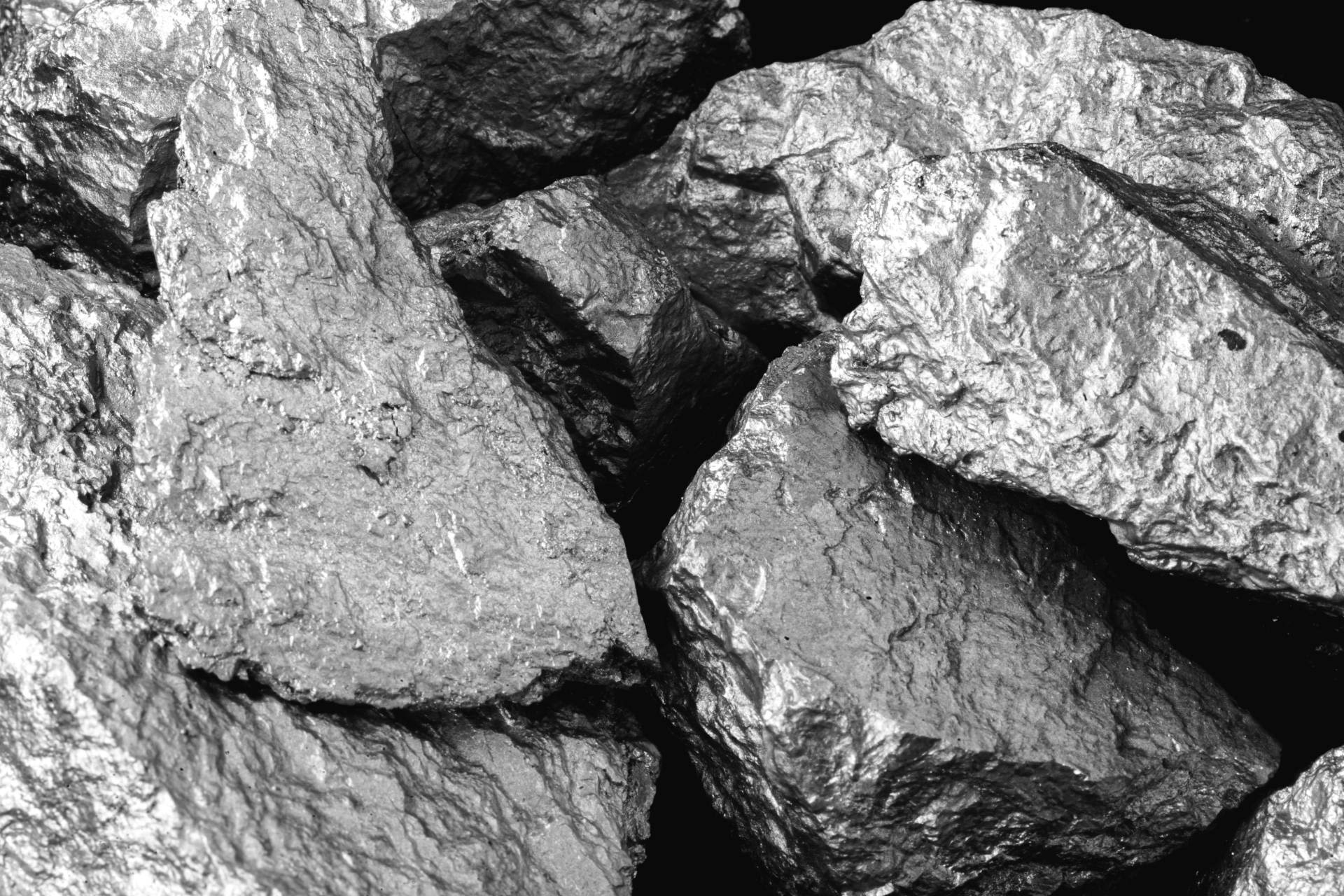
Manganese: Essential Element, Industrial Uses, and Environmental Concerns
What It Is: Manganese is a chemical element with the symbol Mn and atomic number 25. It is a gray-white metal that plays a critical role in various industrial processes and applications.
Geographical Distribution and Coexistence: Manganese is found in different parts of the world, with significant reserves in countries like South Africa, Australia, and China. It often coexists with other minerals in various geological formations.
Benefits to Society and Utilization: Manganese is essential in steelmaking, where it serves as a deoxidizing and alloying agent, enhancing the strength and toughness of steel. It is also used in batteries, fertilizers, and as a component in various chemical processes.
Key Issues:
- Environmental Impact: Manganese mining and processing can lead to habitat destruction, soil erosion, and water pollution if not managed responsibly.
- Occupational Health: Workers in manganese mining and production may be exposed to health risks associated with manganese dust and fumes.
- Air Pollution: Manganese emissions from industrial processes can impact air quality and public health.
- Health Concerns: Excessive exposure to manganese can lead to neurological disorders and other health problems in humans.
- Ecosystem Effects: Manganese pollution from mining and industry can harm aquatic ecosystems and wildlife.
- Waste Management: Waste generated during manganese processing can pose environmental risks if not properly managed.
Factors Affecting Supply and Demand: Several factors influence the supply and demand dynamics of manganese:
- Steel Industry: Demand for manganese in steel production drives significant consumption, as it enhances steel's strength and durability.
- Battery Technology: The growth of rechargeable batteries, particularly in electric vehicles, influences demand for manganese.
- Infrastructure Development: Economic growth and construction activities drive demand for steel and thus manganese.
- Technological Advancements: Innovations in battery technology and industrial processes can impact manganese demand.
- Sustainability Considerations: Increasing awareness of environmental and health impacts can influence manganese production practices.
- Recycling Efforts: Developing efficient recycling methods for manganese-containing products can impact demand.
In conclusion, manganese's role in strengthening steel and enabling technological advancements is significant, but its extraction and usage come with environmental and health challenges. Balancing its benefits with responsible mining, production, and sustainable practices is crucial for a sustainable manganese industry.
References:
- U.S. Geological Survey. (2021). Manganese.
- International Manganese Institute. (2021). Manganese Uses.
- World Health Organization. (2021). Manganese in Drinking Water.
- Environmental Protection Agency. (2021). National Emission Standards for Hazardous Air Pollutants for Ferroalloys Production.
- American Manganese Inc. (2021). Manganese Recycling Technology.
- SpringerLink. (2021). Manganese in Soils and Plants: Ecological Aspects.
