


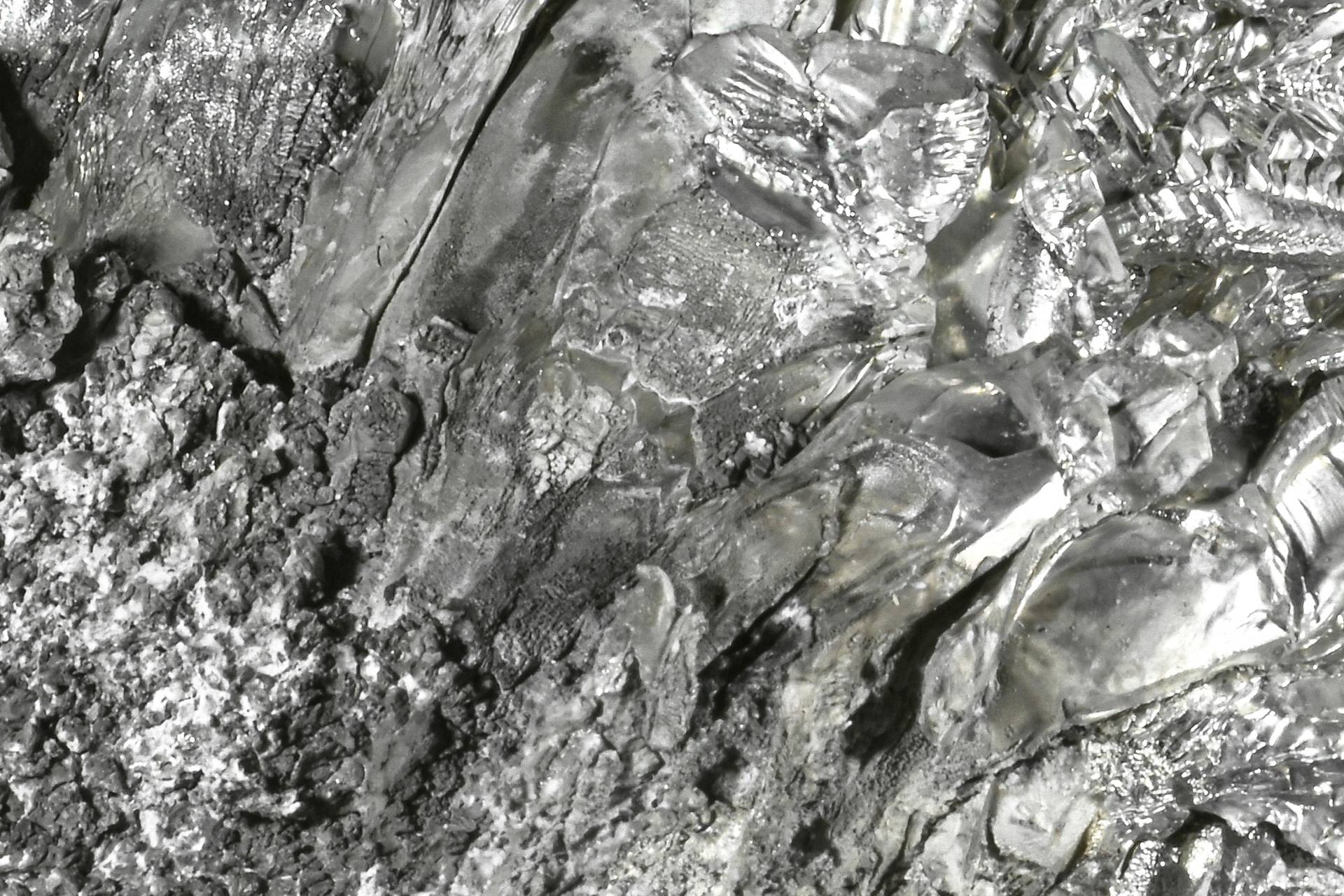
Magnesium: Versatile Metal, Industrial Applications, and Environmental Concerns
What It Is: Magnesium is a chemical element with the symbol Mg and atomic number 12. It is a lightweight, silvery-white metal with numerous industrial and technological applications.
Geographical Distribution and Coexistence: Magnesium is widely distributed in the Earth's crust, with significant reserves in countries like China, Russia, and Australia. It often coexists with other minerals and compounds in various rock formations.
Benefits to Society and Utilization: Magnesium's low density and high strength-to-weight ratio make it valuable for industries such as aerospace, automotive, and electronics. It is also used in the production of lightweight alloys and in the manufacture of refractory materials.
Key Issues:
- Environmental Impact: Magnesium production involves energy-intensive processes, contributing to greenhouse gas emissions and environmental impact.
- Energy Consumption: Electrolytic methods used to extract magnesium require significant energy input, affecting the metal's overall environmental footprint.
- Resource Depletion: Overexploitation of magnesium resources can lead to depletion and reduced availability for future generations.
- Air Pollution: Magnesium smelting processes can release pollutants, impacting air quality and surrounding ecosystems.
- Waste Generation: Magnesium production generates waste products that can pose disposal challenges and environmental risks.
- Occupational Health: Workers in magnesium production and processing may be exposed to health risks associated with metal dust and fumes.
Factors Affecting Supply and Demand: Several factors influence the supply and demand dynamics of magnesium:
- Aerospace and Automotive Industries: Demand for lightweight materials in aerospace and automotive sectors drives demand for magnesium alloys.
- Technological Advancements: Innovations in magnesium alloy development and manufacturing methods can impact demand.
- Economic Conditions: Economic growth and industrial expansion influence magnesium demand for various applications.
- Sustainability Initiatives: Environmental considerations and sustainable practices can impact magnesium production and demand.
- Regulations: Environmental regulations and emission standards can influence magnesium production processes.
- Recycling Efforts: Advances in recycling technology can impact demand by recovering magnesium from scrap materials.
In conclusion, magnesium's versatile properties contribute to its importance in various industries, but its production and usage pose environmental challenges. Balancing its benefits with responsible production practices and sustainable sourcing is crucial for a sustainable magnesium industry.
References:
- U.S. Geological Survey. (2021). Magnesium.
- Minerals Education Coalition. (2021). Magnesium.
- International Magnesium Association. (2021). Magnesium and the Environment.
- World Steel Association. (2021). Automotive.
- Environmental Protection Agency. (2021). AP 42, Fifth Edition, Volume I: Chapter 12.2 Magnesium Production.
- Magnesium.com. (2021). Magnesium Recycling - The Ultimate Sustainable Metal.
