


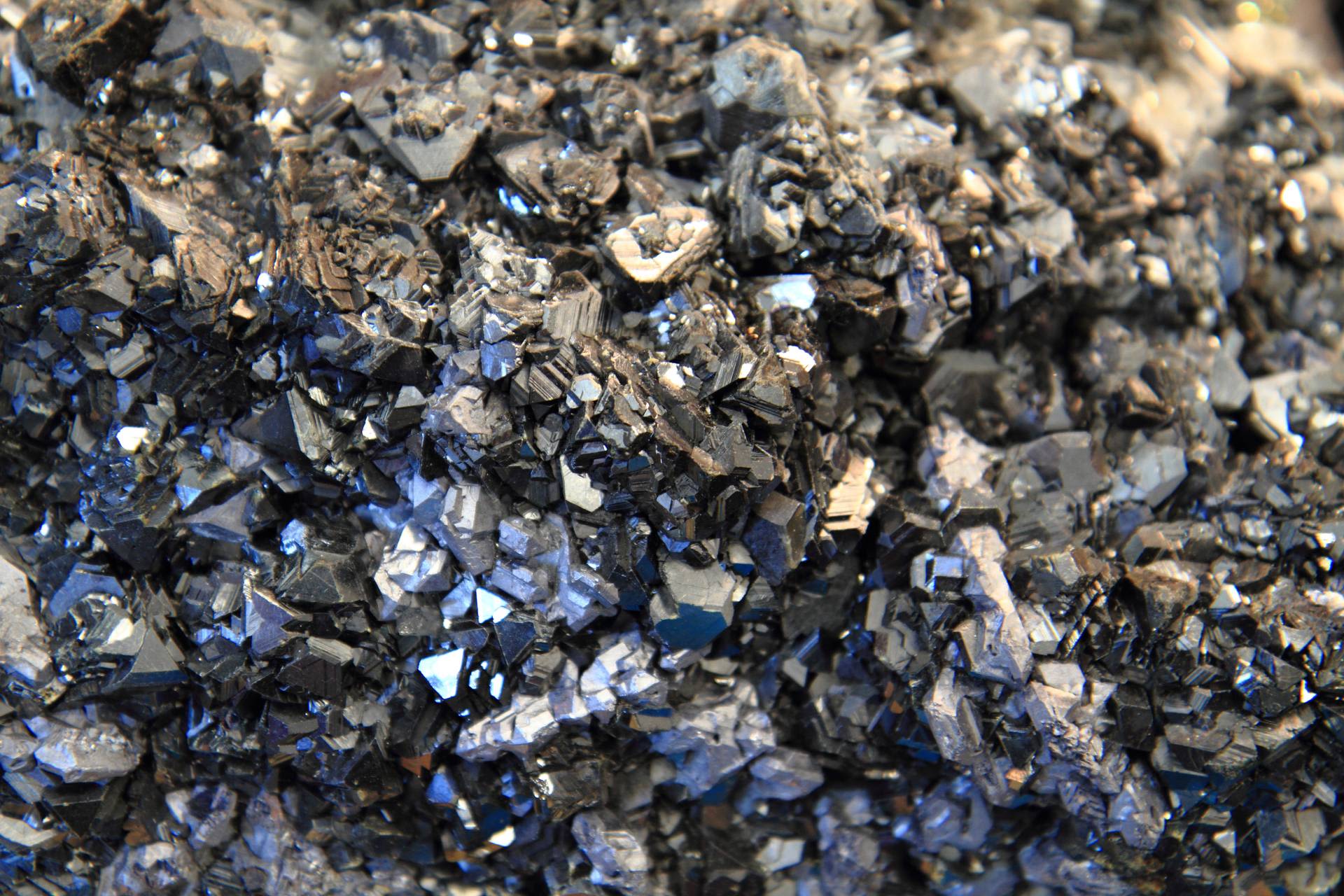
Lead: Versatile Metal, Health Concerns, and Environmental Impact
What It Is: Lead is a chemical element with the symbol Pb and atomic number 82. It is a soft, malleable, and dense metal that has been used for various purposes throughout history.
Geographical Distribution and Coexistence: Lead is found in various regions around the world, with significant deposits in countries like China, Australia, and the United States. It often coexists with other minerals like zinc, silver, and copper in ore deposits.
Benefits to Society and Utilization: Lead has been used for diverse applications, including batteries, construction, plumbing, and ammunition. It has been a key component in lead-acid batteries used in vehicles and backup power systems.
Key Issues:
- Health Concerns: Lead is toxic to humans and can lead to severe health issues, particularly affecting children's cognitive development and the nervous system.
- Environmental Impact: Lead mining, smelting, and processing can lead to soil and water contamination, affecting ecosystems and posing risks to wildlife.
- Air Pollution: Lead emissions from mining, smelting, and combustion processes contribute to air pollution, impacting air quality.
- Occupational Hazards: Workers in lead-related industries, like mining and battery manufacturing, can be exposed to health risks.
- Recycling Challenges: Recycling lead-acid batteries requires proper handling due to their toxic components.
- Waste Management: The disposal of lead-containing waste poses challenges due to its hazardous nature.
Factors Affecting Supply and Demand: Several factors influence the supply and demand dynamics of lead:
- Battery Demand: Lead-acid batteries for automotive, industrial, and backup power applications drive significant demand for lead.
- Construction Industry: Demand for lead in construction materials like pipes and roofing is influenced by construction activities.
- Global Economic Conditions: Economic growth and industrial expansion influence lead demand for various applications.
- Regulations and Health Concerns: Stringent environmental regulations and health considerations impact lead usage.
- Technological Advancements: Advances in battery technology and alternative materials can influence lead demand.
- Substitution: As awareness of lead's toxicity increases, demand for lead-free alternatives may rise.
In conclusion, lead's historical versatility and usage come with significant health and environmental challenges. Balancing the benefits with the need for responsible handling, recycling, and ethical practices is essential for a sustainable lead industry.
References:
- United States Geological Survey. (2021). Lead.
- Centers for Disease Control and Prevention. (2021). Childhood Lead Poisoning Prevention.
- World Health Organization. (2021). Lead Poisoning and Health.
- United Nations Environment Programme. (2019). Global Lead Supply from 2020 to 2030.
- U.S. Environmental Protection Agency. (2021). Lead Recycling and Disposal.
- Environmental Health Perspectives. (2019). Lead and Lead Compounds.
