


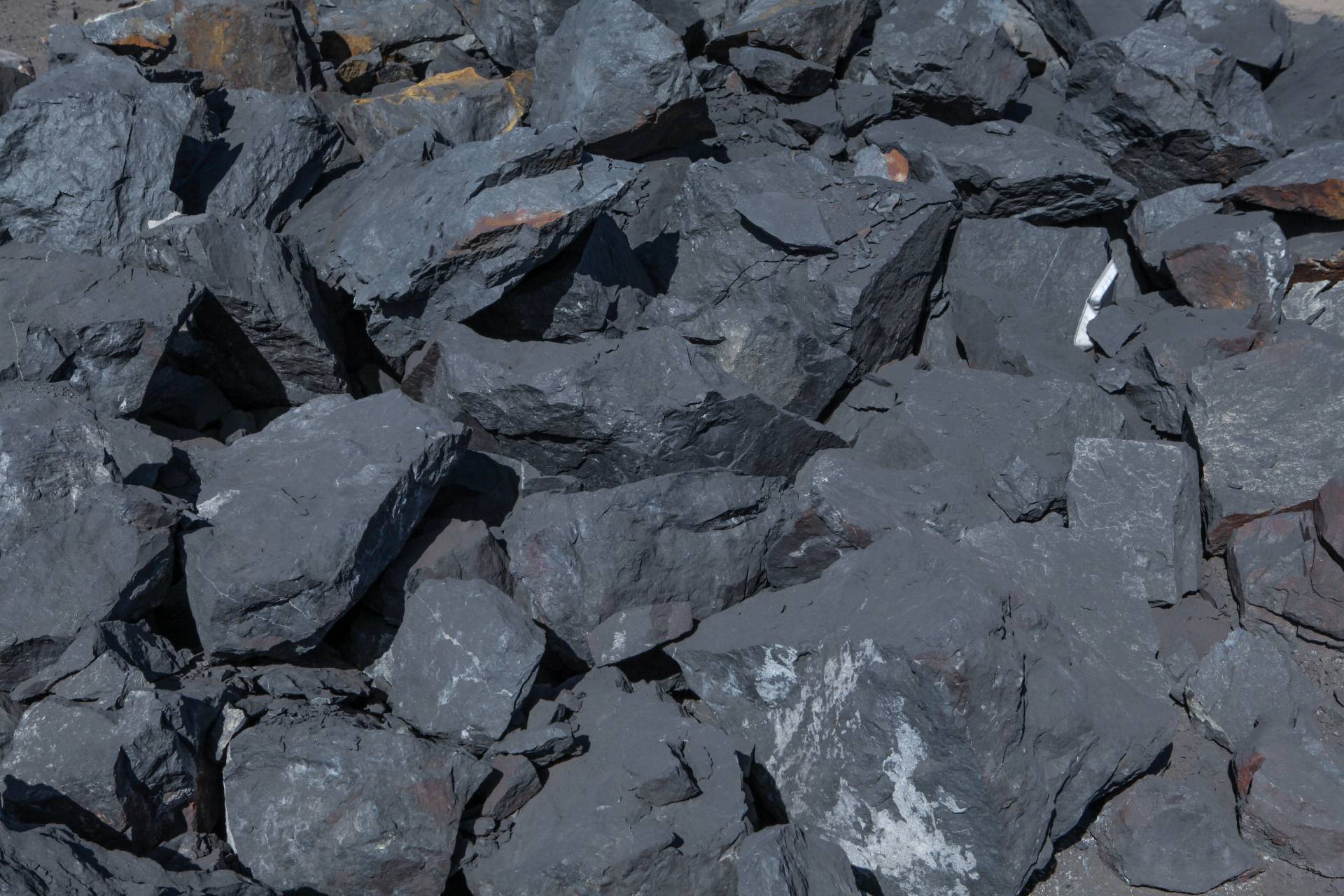
Iron Ore: Building Blocks of Industry and Environmental Challenges
What It Is: Iron ore is a rock containing iron or iron compounds that can be extracted and processed to produce usable iron and steel products. It is a fundamental raw material in various industries, notably steel production.
Geographical Distribution and Coexistence: Iron ore deposits are distributed globally, with major reserves in countries like Australia, Brazil, China, and India. Iron ore often coexists with other minerals and compounds, including silica, alumina, and various impurities.
Benefits to Society and Utilization: Iron ore is a critical ingredient in steelmaking, which supports construction, infrastructure, transportation, and manufacturing industries. It is also used in the production of cast iron and other iron-based products.
Key Issues:
- Environmental Impact: Iron ore mining can lead to deforestation, habitat destruction, soil erosion, and water pollution if not managed responsibly.
- Energy Consumption: Iron ore extraction and processing are energy-intensive processes, contributing to the industry's carbon footprint.
- Air Pollution: Sintering and smelting iron ore can release pollutants like sulfur dioxide and particulate matter, impacting air quality.
- Waste Generation: Mining and processing generate significant amounts of waste, including tailings and slag, which can have environmental consequences.
- Health and Safety: Iron ore mining and processing can pose health and safety risks to workers due to exposure to dust, noise, and heavy machinery.
- Resource Depletion: Overexploitation of iron ore resources can lead to depletion and reduced availability for future generations.
Factors Affecting Supply and Demand: Several factors influence the supply and demand dynamics of iron ore:
- Steel Production: Demand for iron ore is closely linked to global steel production, which, in turn, depends on construction and manufacturing activities.
- Infrastructure Development: Economic growth and infrastructure projects drive demand for steel and thus iron ore.
- Urbanization: Urban expansion requires steel for buildings, bridges, and transportation, influencing iron ore demand.
- Technological Advancements: Innovations in steelmaking technologies can affect the efficiency of iron ore usage.
- Recycling Efforts: Advances in recycling technology can influence demand by recovering iron from scrap.
- Global Economic Conditions: Economic trends, including trade policies and industry dynamics, impact iron ore demand.
In conclusion, iron ore's role as a primary source of iron for steel production is essential for modern infrastructure and industry. However, its extraction and processing come with environmental and social challenges that require responsible mining practices, energy efficiency, and sustainable approaches.
References:
- U.S. Geological Survey. (2021). Iron Ore.
- World Steel Association. (2021). Steel Statistical Yearbook.
- United Nations Environment Programme. (2019). Sand and Sustainability: Finding New Solutions for Environmental Governance of Global Sand Resources.
- Environmental Protection Agency. (2021). Air Emissions from Iron and Steel Sources.
- The Balance Small Business. (2021). The Modern Steel Manufacturing Process.
- Forbes. (2020). Steel Industry Looks to a Sustainable Future.
