


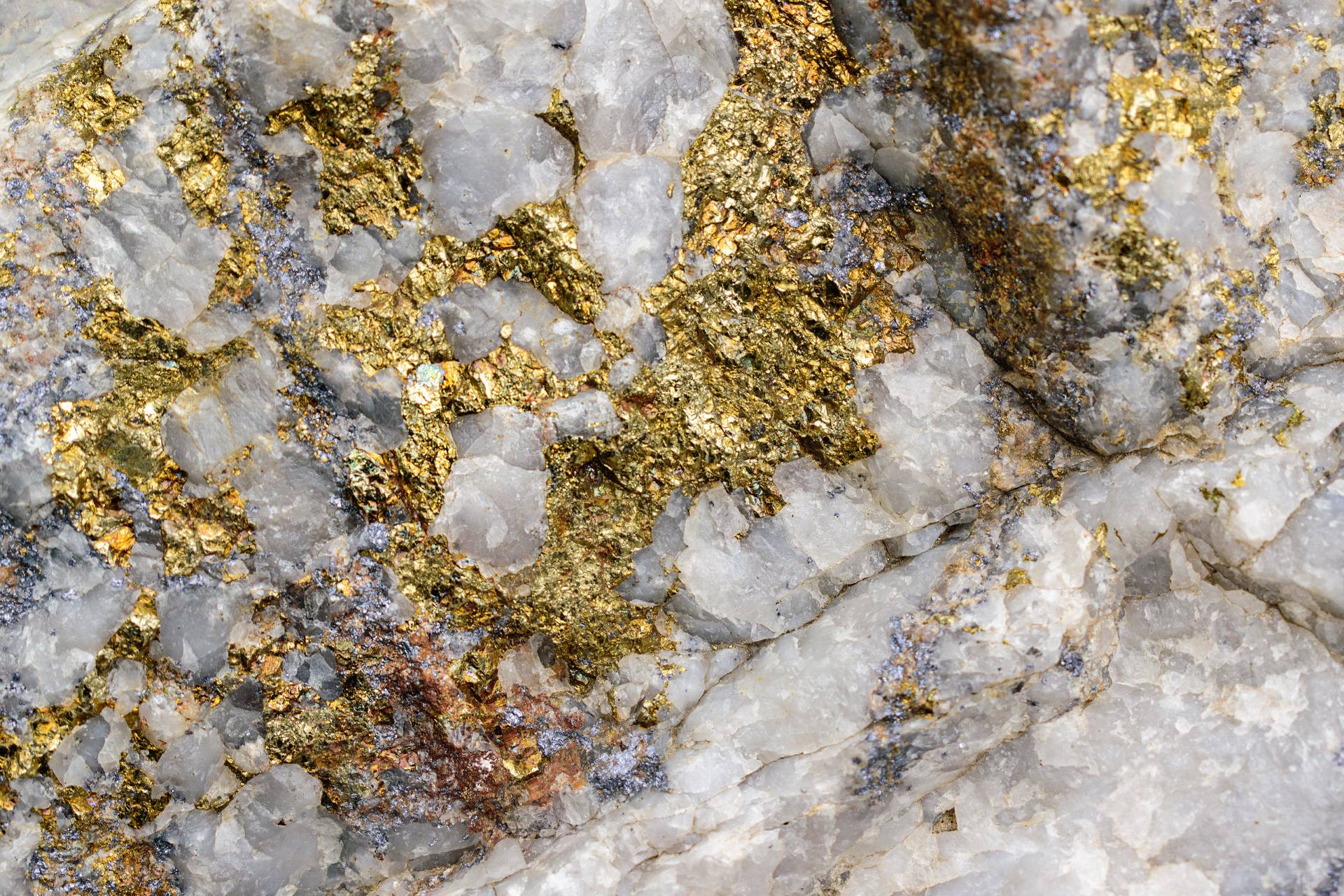
Gold: Precious Metal, Economic Asset, and Complex Implications
What It Is: Gold is a naturally occurring chemical element with the symbol Au and atomic number 79. It is characterized by its distinctive color, luster, and malleability, making it highly valued for ornamental and industrial uses.
Geographical Distribution and Coexistence: Gold can be found in various parts of the world, with significant reserves in countries like China, Russia, Australia, and the United States. It often coexists with other minerals in different geological formations, including quartz veins, alluvial deposits, and sulfide ores.
Benefits to Society and Utilization: Gold has held cultural, symbolic, and economic value for centuries. It is used in jewelry, coins, and decorative arts due to its beauty and rarity. Additionally, gold has industrial applications in electronics, dentistry, and aerospace due to its excellent conductivity and corrosion resistance.
Key Issues:
- Environmental Impact: Gold mining can lead to deforestation, habitat destruction, soil erosion, and water pollution if not conducted responsibly.
- Mercury and Cyanide Usage: Some gold extraction processes involve toxic substances like mercury and cyanide, which pose environmental and health risks.
- Social Consequences: Gold mining can lead to displacement of communities, conflicts over land rights, and labor-related challenges.
- Ethical and Human Rights Concerns: Ensuring ethical practices, including fair wages and safe working conditions, is important in the gold supply chain.
- Market Manipulation: The gold market, as a financial asset, can be influenced by speculation and market dynamics, leading to price volatility.
- Conflict Gold: Similar to conflict diamonds, gold has been linked to funding armed conflicts and human rights abuses in certain regions.
Factors Affecting Supply and Demand: Several factors influence the supply and demand dynamics of gold:
- Investment Demand: Gold is often considered a safe-haven asset during economic uncertainty, influencing investment demand.
- Central Bank Reserves: Central banks' decisions to buy or sell gold can impact the global supply and demand balance.
- Economic Conditions: Economic stability, inflation, and currency fluctuations can affect demand for gold as a hedge against these factors.
- Jewelry and Ornamental Use: Consumer preferences and cultural influences shape the demand for gold in jewelry and decorative items.
- Technological Applications: Demand for gold in electronics and other industrial sectors can fluctuate with technological advancements.
- Mining Costs: Mining economics, including extraction costs and labor expenses, influence gold production and supply.
In conclusion, gold's allure is grounded in its cultural and economic significance, but its extraction and usage come with environmental, social, and ethical complexities. Balancing these challenges with the benefits of gold requires responsible mining practices, transparency, and ethical sourcing.
References:
- World Gold Council. (2021). Gold Market: Overview.
- United States Geological Survey. (2021). Gold.
- Environmental Protection Agency. (2021). Cyanide Use in Gold Mining.
- Human Rights Watch. (2021). The Curse of Gold.
- Responsible Jewellery Council. (2021). Our Standards.
- Financial Times. (2021). Gold Price.
