


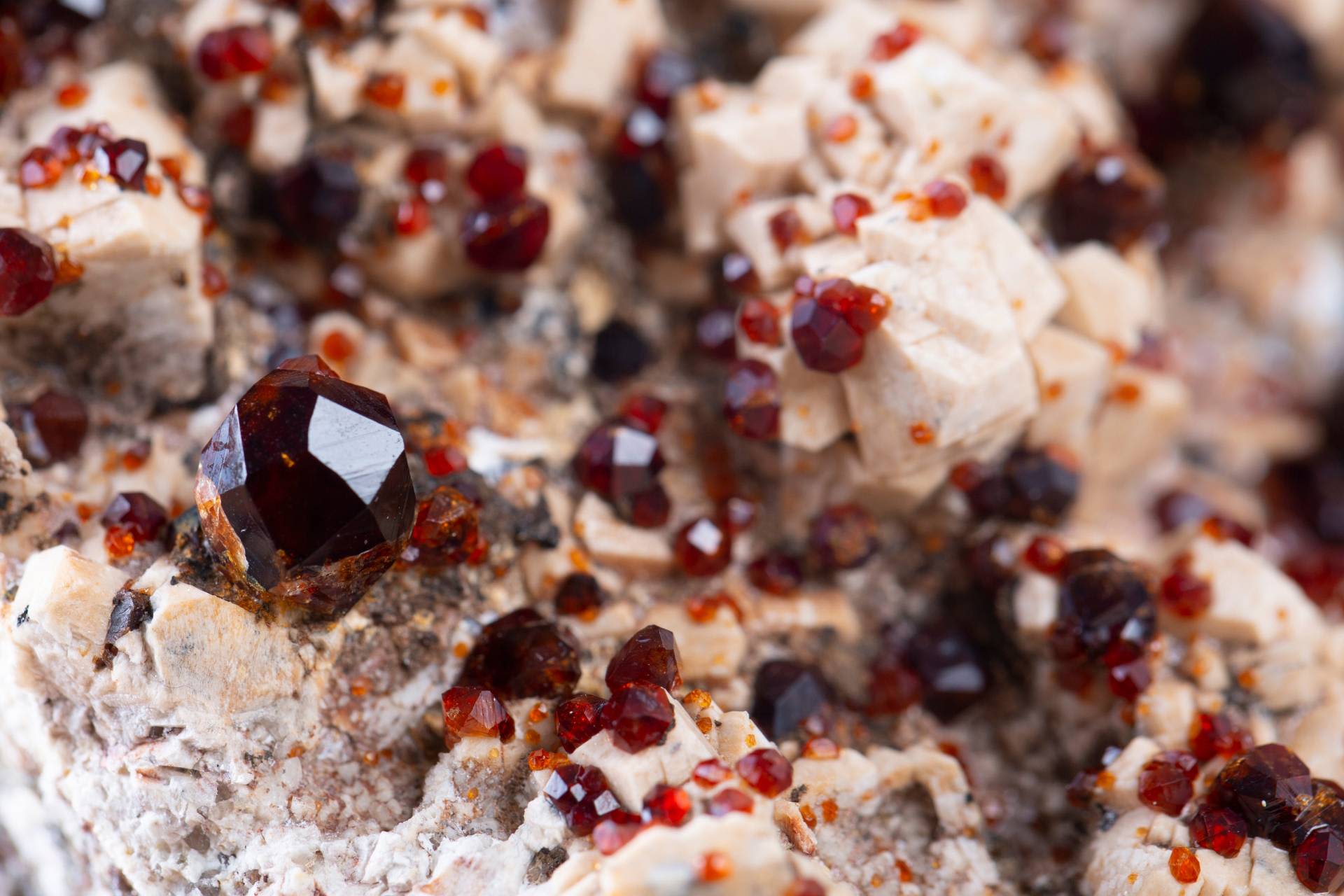
Gems: Treasures of Nature, Commerce, and Ethical Complexities
What They Are: Gems, also known as gemstones or precious stones, are naturally occurring minerals or rocks that possess exceptional beauty, rarity, and durability. They are prized for their aesthetic value and are often used in jewelry and ornamental objects.
Geographical Distribution and Coexistence: Gems can be found across the world, with specific types of gems originating from distinct geological environments. For example, emeralds are associated with regions containing certain types of rock formations. Gems often coexist with other minerals in host rocks, and their formation requires specific geological conditions over long periods.
Benefits to Society and Utilization: Gems have been valued for their beauty and symbolism for centuries. They are used in jewelry, fashion accessories, and decorative arts. Beyond aesthetics, some gems have industrial applications. For instance, diamonds are utilized in cutting, grinding, and drilling due to their extreme hardness.
Key Issues:
- Ethical Sourcing: Ensuring that gems are ethically sourced, free from human rights abuses, and environmentally responsible is a challenge in the industry.
- Conflict Gems: Similar to conflict diamonds, certain gems have been associated with funding armed conflict and human rights abuses in regions where they are mined.
- Environmental Impact: Mining gems can lead to habitat destruction, soil erosion, and pollution if not conducted responsibly.
- Labor Conditions: Exploitative labor practices, including child labor, can be associated with gemstone mining in some regions.
- Market Manipulation: Control of gem markets by a few powerful players can impact pricing and market dynamics.
- Synthetic Gems: Advances in technology have led to the production of high-quality synthetic gems, posing challenges to the natural gem industry.
Factors Affecting Supply and Demand: Several factors influence the supply and demand dynamics of gems:
- Consumer Demand: Consumer preferences, cultural influences, and trends significantly affect the demand for specific gemstones.
- Economic Conditions: Economic prosperity and disposable income levels influence luxury purchases like gemstone jewelry.
- Ethical and Sustainable Sourcing: Increasing awareness of ethical and environmental concerns can influence consumer preferences.
- Synthetic Gemstones: The availability and quality of synthetic gems can impact demand for natural gems.
- Marketing and Branding: Effective marketing and branding efforts can create demand for specific types of gems.
In conclusion, gems are cherished for their beauty and significance, but their acquisition is accompanied by complex ethical, environmental, and social considerations. Responsible sourcing, transparency, and awareness are crucial for ensuring that the allure of gems aligns with sustainable practices.
References:
- Gemological Institute of America. (2021). Gem Encyclopedia.
- United Nations. (2021). UN General Assembly Resolution: Taking Action against Conflict Diamond and Gemstone Trade.
- Human Rights Watch. (2020). Gemstones and COVID-19: A Human Rights Crisis in Artisanal Mining Communities.
- Kimberley Process Certification Scheme. (2021). About.
- Gemstone.org. (2021). Environmental & Ethical Issues in Gemstone Mining: Learning from the Tanzanite Mines of Merelani.
- The Economist. (2021). Synthetic Gemstones Threaten the Diamond Business.
