


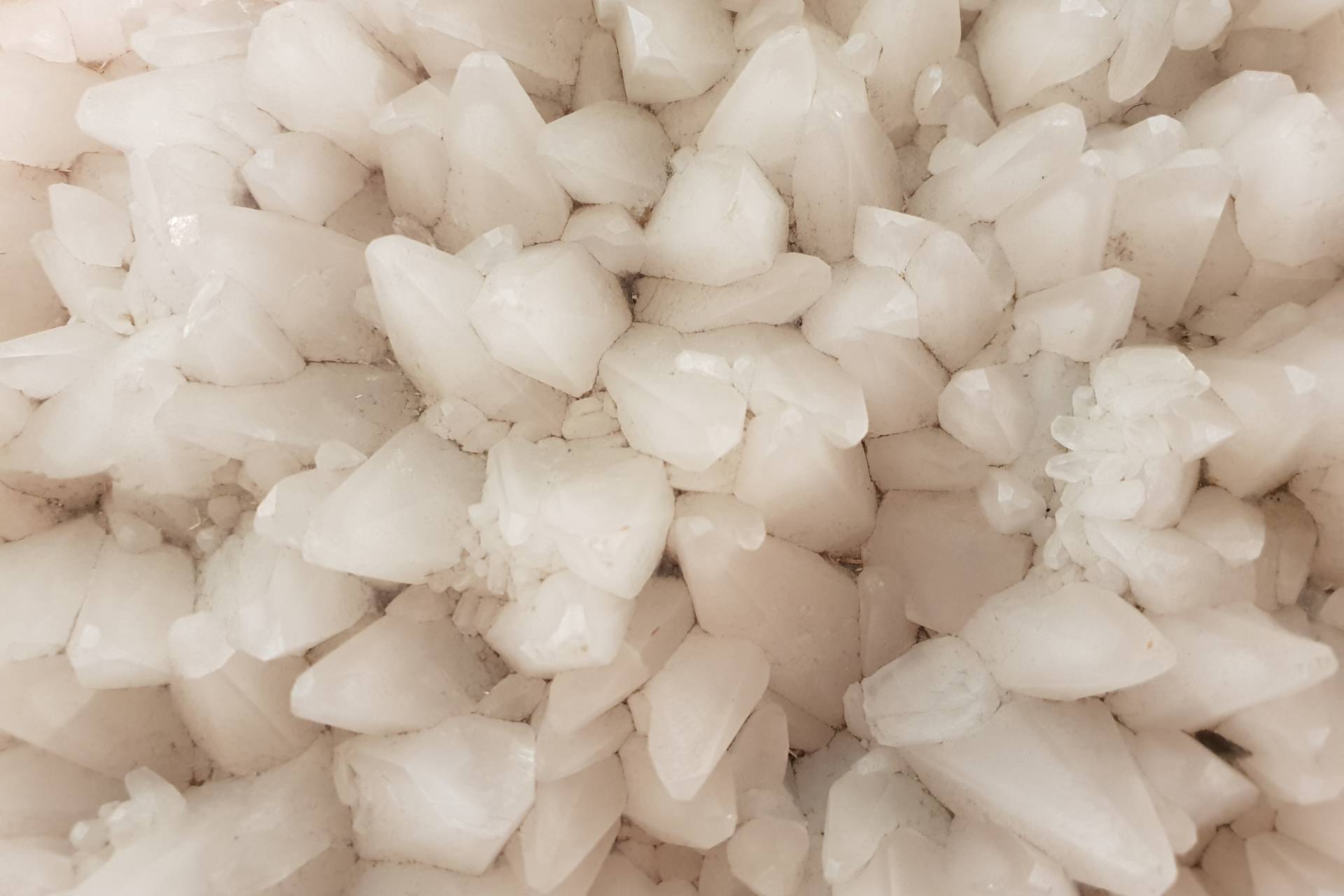
Dolomite: A Mineral with Diverse Applications and Environmental Concerns
What It Is: Dolomite is a mineral composed of calcium magnesium carbonate (CaMg(CO3)2). It is formed through the alteration of limestone or marble by magnesium-rich groundwater over long periods.
Geographical Distribution and Coexistence: Dolomite deposits are found in various parts of the world, with notable occurrences in countries like Italy, Spain, the United States, and China. It often coexists with other carbonate minerals like calcite and aragonite.
Benefits to Society and Utilization: Dolomite is a versatile mineral with multiple applications across industries. It is used as a construction aggregate, a source of magnesia in the production of magnesium metal and refractory materials, and as a flux in iron and steel production. In agriculture, dolomite is employed as a soil conditioner to adjust soil pH and provide essential nutrients.
Key Issues:
- Acid Mine Drainage: Mining dolomite can expose sulfur-bearing minerals, leading to acid mine drainage that pollutes water bodies and harms aquatic life.
- Water Contamination: Dolomite mining and processing can release heavy metals and other contaminants into water sources, affecting both human and environmental health.
- Habitat Destruction: Surface mining for dolomite can result in habitat destruction and soil erosion, disrupting local ecosystems.
- Respiratory Health Concerns: Dust generated during mining and processing can pose respiratory risks to workers and nearby communities.
- Regulation and Oversight: Ensuring responsible mining practices and adequate regulation to mitigate environmental impacts remain challenges.
- Resource Depletion: Overexploitation of dolomite resources can lead to depletion and reduced availability for future generations.
Factors Affecting Supply and Demand: Several factors influence the supply and demand dynamics of dolomite:
- Construction Industry: Demand for dolomite as a construction aggregate is influenced by infrastructure development and urbanization.
- Industrial Applications: Demand for magnesia and refractory materials drives dolomite usage in metal production and other industrial processes.
- Agricultural Sector: Dolomite demand for soil conditioning is influenced by agricultural practices and crop production needs.
- Environmental Regulations: Stringent environmental regulations can affect dolomite mining and processing operations.
- Sustainability Initiatives: Growing awareness of environmental impacts can influence demand for responsibly sourced dolomite.
In conclusion, dolomite's versatility makes it valuable in various industries, but its extraction and usage can have significant environmental and health implications. Responsible mining practices and sustainable sourcing are imperative to balance its benefits with potential negative effects.
References:
- U.S. Geological Survey. (2021). Dolomite.
- United States Environmental Protection Agency. (2002). Technical Resource Document: Extraction and Beneficiation of Ores and Minerals - Volume 7. Dolomites.
- Food and Agriculture Organization. (2004). Agricultural Use of Dolomite.
- Government of South Australia. (2019). Dolomite and Magnesite.
- World Wildlife Fund. (2021). Acid Mine Drainage.
- United Nations Economic Commission for Europe. (2002). Environmental Impact Assessment of Mining Activities.
