


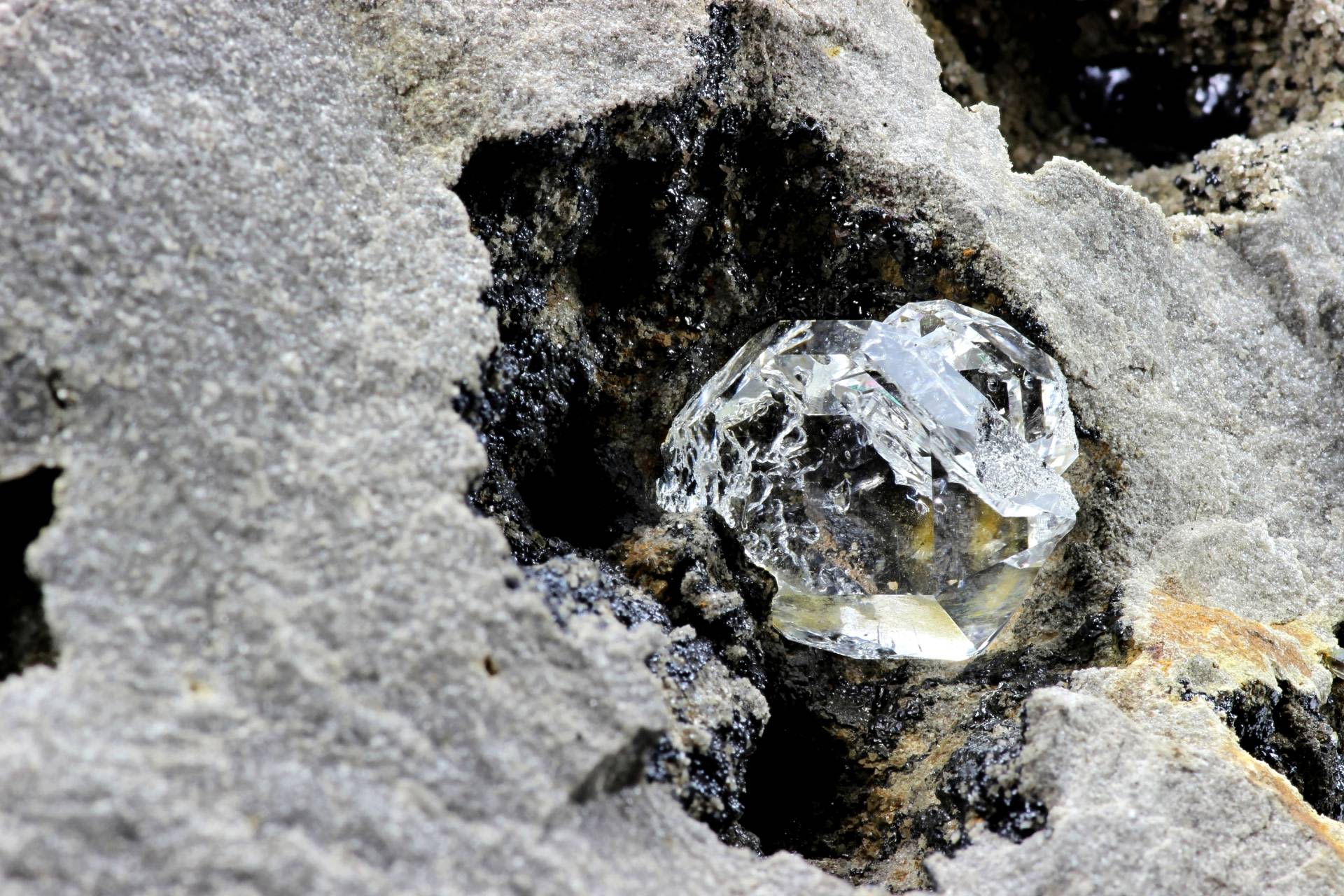
Diamonds: Gems of Beauty, Luxury, and Complex Ethical Terrain
What They Are: Diamonds are precious gemstones composed of carbon atoms arranged in a crystal lattice structure. They are formed deep within the Earth's mantle under high pressure and temperature conditions, then brought to the surface through volcanic eruptions.
Geographical Distribution and Coexistence: Diamonds are found in various regions globally, with significant reserves in countries like Russia, Botswana, Canada, and Australia. They can sometimes coexist with other minerals, including kimberlite, a type of volcanic rock that often hosts diamond deposits.
Benefits to Society and Utilization: Diamonds have been revered for their beauty and rarity for centuries, serving as symbols of wealth, love, and luxury. They are not only used in jewelry but also have industrial applications due to their extreme hardness. Industrial-grade diamonds are used in cutting, grinding, and drilling tools for various industries, including mining and manufacturing.
Key Issues:
- Conflict Diamonds: Also known as "blood diamonds," these are diamonds that have been mined in war zones and sold to finance armed conflict against governments.
- Ethical Sourcing: Ensuring that diamonds are sourced ethically and without contributing to human rights abuses or environmental degradation is a significant concern.
- Environmental Impact: Diamond mining can have environmental consequences, including habitat destruction, soil erosion, and water pollution.
- Child Labor and Exploitation: In some diamond-producing regions, concerns about child labor and exploitative working conditions persist.
- Market Control: The diamond market has been historically dominated by a few large companies, potentially affecting prices and supply.
- Synthetic Diamonds: Advances in technology have led to the production of high-quality synthetic diamonds, creating competition for natural diamonds.
Factors Affecting Supply and Demand: Several factors influence the supply and demand dynamics of diamonds:
- Consumer Demand: The demand for diamonds in jewelry is influenced by changing fashion trends, consumer preferences, and cultural factors.
- Economic Conditions: Economic growth and disposable income levels affect consumer spending on luxury items like diamonds.
- Ethical Considerations: Increasing awareness of ethical and sustainability issues can influence consumer preferences and demand.
- Synthetic Diamonds: The availability and quality of synthetic diamonds can impact demand for natural diamonds.
- Market Manipulation: Diamond companies' control over supply and marketing can influence prices and market dynamics.
In conclusion, diamonds hold both aesthetic and industrial significance but are also entwined with complex ethical and environmental challenges. Ensuring ethical sourcing, addressing concerns about conflict diamonds, and promoting responsible mining practices are crucial for the diamond industry's sustainable future.
References:
- Gemological Institute of America. (2021). Diamond.
- Kimberley Process Certification Scheme. (2021). About.
- Global Witness. (2021). Blood Diamonds.
- World Diamond Council. (2021). Kimberley Process.
- United Nations. (2003). The Kimberley Process Certification Scheme. Resolution 55/56.
- Rapaport Group. (2021). The Diamond Price List.
