


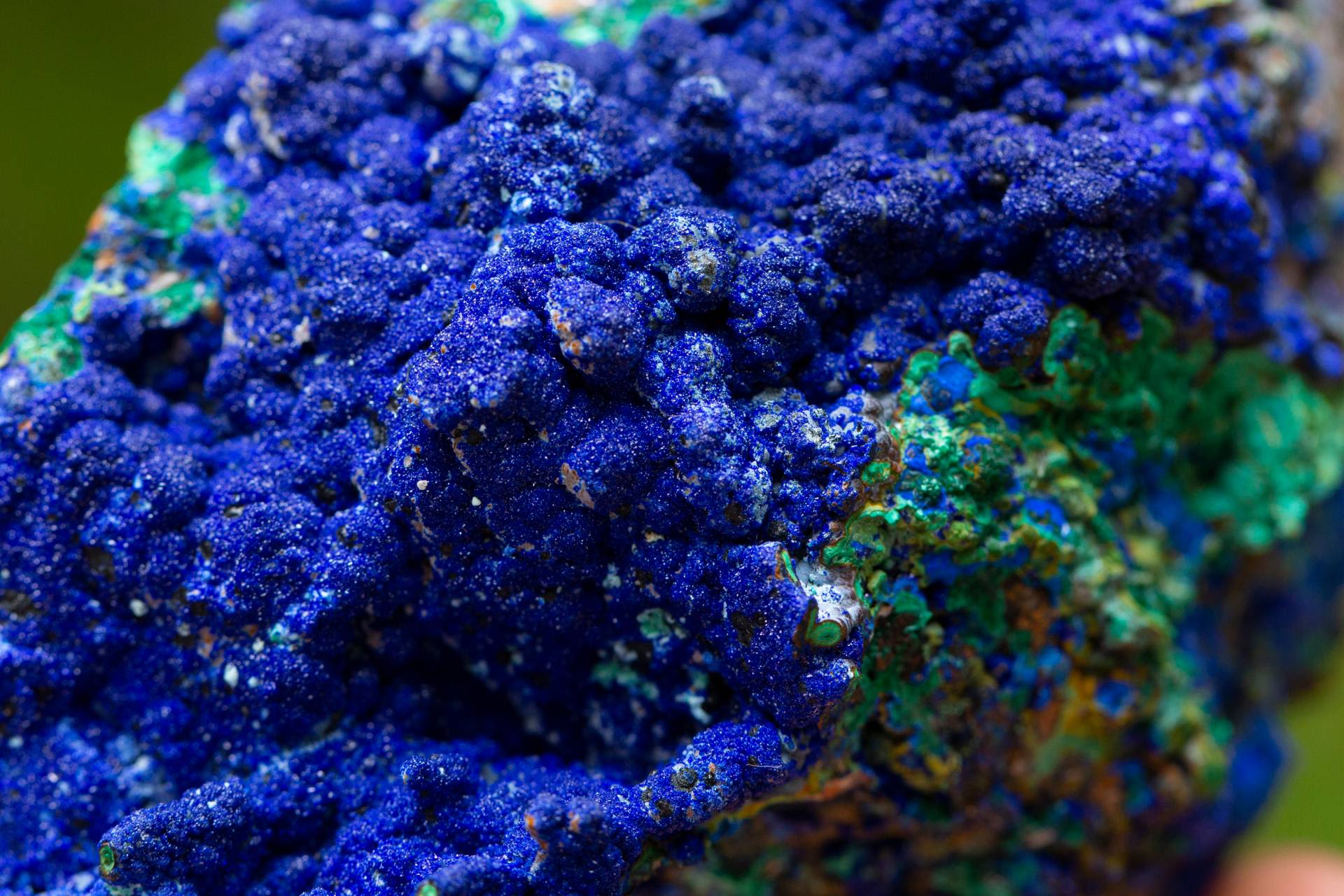
Cobalt: A Vital Element with Complex Implications
What It Is: Cobalt is a chemical element with unique properties, typically found in combination with other elements in mineral ores. It is a hard, silver-gray metal that has a variety of industrial and technological applications.
Geographical Distribution and Coexistence: Cobalt is not as widely distributed as some other metals, and its major reserves are concentrated in a few countries, notably the Democratic Republic of Congo (DRC). Cobalt often coexists with copper and nickel in ore deposits. This coexistence has led to the term "copper-cobalt" or "nickel-cobalt" ores.
Benefits to Society and Utilization: Cobalt is a critical component in various industries, particularly in the production of batteries. It is a key ingredient in lithium-ion batteries used in smartphones, laptops, electric vehicles, and renewable energy storage systems. Cobalt's magnetic properties also make it valuable for aerospace, defense, and industrial applications.
Key Issues:
- Ethical Concerns: A significant portion of the world's cobalt supply comes from the DRC, where concerns about unethical mining practices, including child labor, have been raised.
- Supply Chain Transparency: Due to complex supply chains, it can be challenging to trace the origin of cobalt and ensure ethical sourcing.
- Environmental Impact: Mining and processing cobalt can have environmental impacts, including habitat destruction and water contamination.
- Human Health: Exposure to cobalt dust and fumes, particularly in poorly regulated mining areas, can pose health risks to workers.
- Price Volatility: Cobalt prices can be highly volatile due to factors such as supply disruptions and changes in demand for batteries and other applications.
- Dependency on DRC: The concentration of cobalt production in the DRC creates potential supply risks if geopolitical or economic factors affect the region.
Factors Affecting Supply and Demand: Several factors influence the supply and demand dynamics of cobalt:
- Battery Demand: The rapid growth of electric vehicles and energy storage systems drives significant demand for cobalt in lithium-ion batteries.
- Technological Advancements: Advancements in battery technology and alternative materials can influence cobalt demand.
- Regulations and Sustainability: Increasing awareness of ethical and environmental concerns can impact cobalt's supply chain and usage.
- Geopolitical Stability: Political instability in major cobalt-producing countries can affect supply.
- Recycling Efforts: Advances in recycling technology can influence demand by recovering cobalt from used batteries.
In conclusion, cobalt is a valuable element with critical applications, particularly in battery technology. Its supply chain, however, raises ethical and environmental concerns. Balancing the benefits of cobalt's technological contributions with the challenges of responsible sourcing and environmental impact remains a complex task.
References:
- United States Geological Survey. (2021). Cobalt.
- European Commission. (2020). Cobalt. Critical Raw Materials for Strategic Technologies and Sectors in the EU.
- Amnesty International. (2016). This Is What We Die For: Human Rights Abuses in the Democratic Republic of the Congo Power the Global Trade in Cobalt.
- United Nations Industrial Development Organization. (2017). Environmental and Social Risks Linked to Mining of Mineral Resources.
- BloombergNEF. (2021). Cobalt.
- Mining Weekly. (2021). Cobalt Price Recovers After March Slump.
