


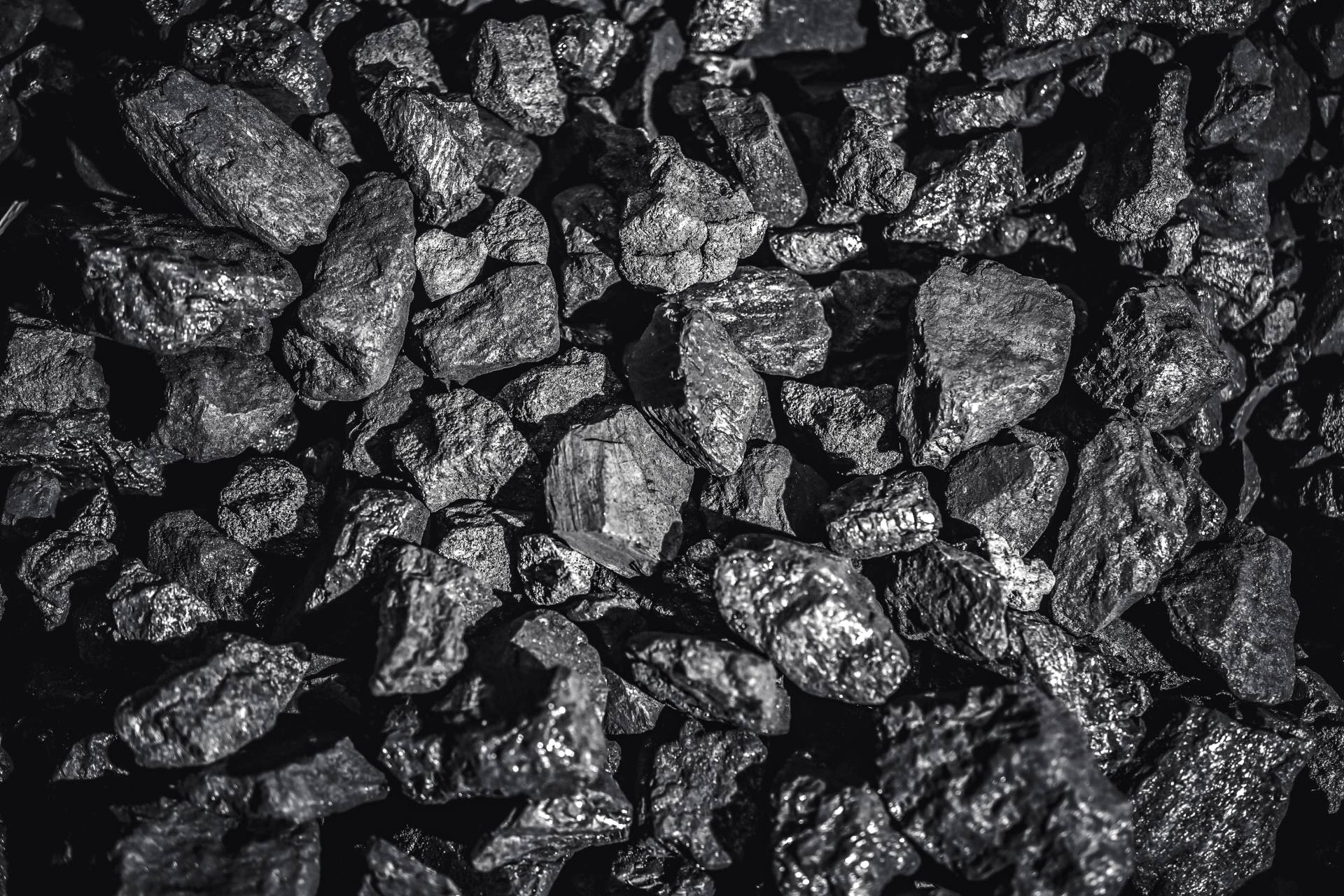
Coal: Fueling Industries and Igniting Challenges
What It Is: Coal is a combustible black or brownish-black sedimentary rock primarily composed of carbon, along with various other elements such as hydrogen, sulfur, oxygen, and nitrogen. It forms from the remains of ancient plant material that has undergone a process of decomposition and transformation over millions of years.
Geographical Distribution and Coexistence: Coal deposits are found across the globe, with significant reserves in countries like China, the United States, India, Australia, and Russia. Coal often coexists with other minerals like iron ore, limestone, and shale. Some coal deposits also contain valuable elements like uranium and rare earth elements.
Benefits to Society and Utilization: Coal has historically played a crucial role in powering industrial growth and supplying energy to various sectors. It is a primary source of energy for electricity generation, industrial processes, and heating. Additionally, coal is used in the production of steel and cement, where it serves as both a fuel and a raw material.
Key Issues:
- Environmental Impact: Coal combustion releases pollutants such as sulfur dioxide, nitrogen oxides, and particulate matter, contributing to air pollution and acid rain.
- Greenhouse Gas Emissions: Burning coal releases carbon dioxide, a major greenhouse gas, which contributes to global warming and climate change.
- Health Concerns: Coal mining and combustion expose workers and communities to health risks, including respiratory diseases and air quality degradation.
- Land Degradation: Surface and underground coal mining can result in habitat destruction, deforestation, and altered landscapes.
- Water Contamination: Mining and processing coal can contaminate water sources with pollutants, affecting aquatic ecosystems and communities.
- Transition Challenges: Transitioning away from coal-dependent economies can lead to job displacement and economic challenges in coal-mining regions.
Factors Affecting Supply and Demand: Several factors shape the supply and demand dynamics of coal:
- Energy Demand: The demand for coal is closely linked to energy consumption, particularly in electricity generation and industrial processes.
- Economic Growth: Economic expansion drives the need for energy, influencing coal demand in energy-intensive industries.
- Policy and Regulation: Environmental regulations and climate policies impact coal production and usage.
- Technological Advancements: Advances in clean coal technologies and carbon capture and storage can influence coal's role in the energy mix.
- Renewable Energy Integration: The growth of renewable energy sources can reduce the demand for coal in some regions.
In conclusion, coal has played a significant role in powering societies and industries, but it comes with considerable environmental and health challenges. While its usage remains prevalent, efforts to transition to cleaner and more sustainable energy sources are gaining momentum. The supply and demand of coal are influenced by factors including energy demand, economic growth, regulations, technological advancements, and the push towards renewable energy alternatives.
References:
- U.S. Energy Information Administration. (2021). Coal Explained.
- World Coal Association. (2021). What is Coal?
- United States Environmental Protection Agency. (2021). Acid Rain.
- Intergovernmental Panel on Climate Change. (2014). Climate Change 2014: Mitigation of Climate Change.
- International Labour Organization. (2020). Safety and Health in Mines Convention, 1995 (No. 176).
- International Energy Agency. (2021). Coal 2021.
