


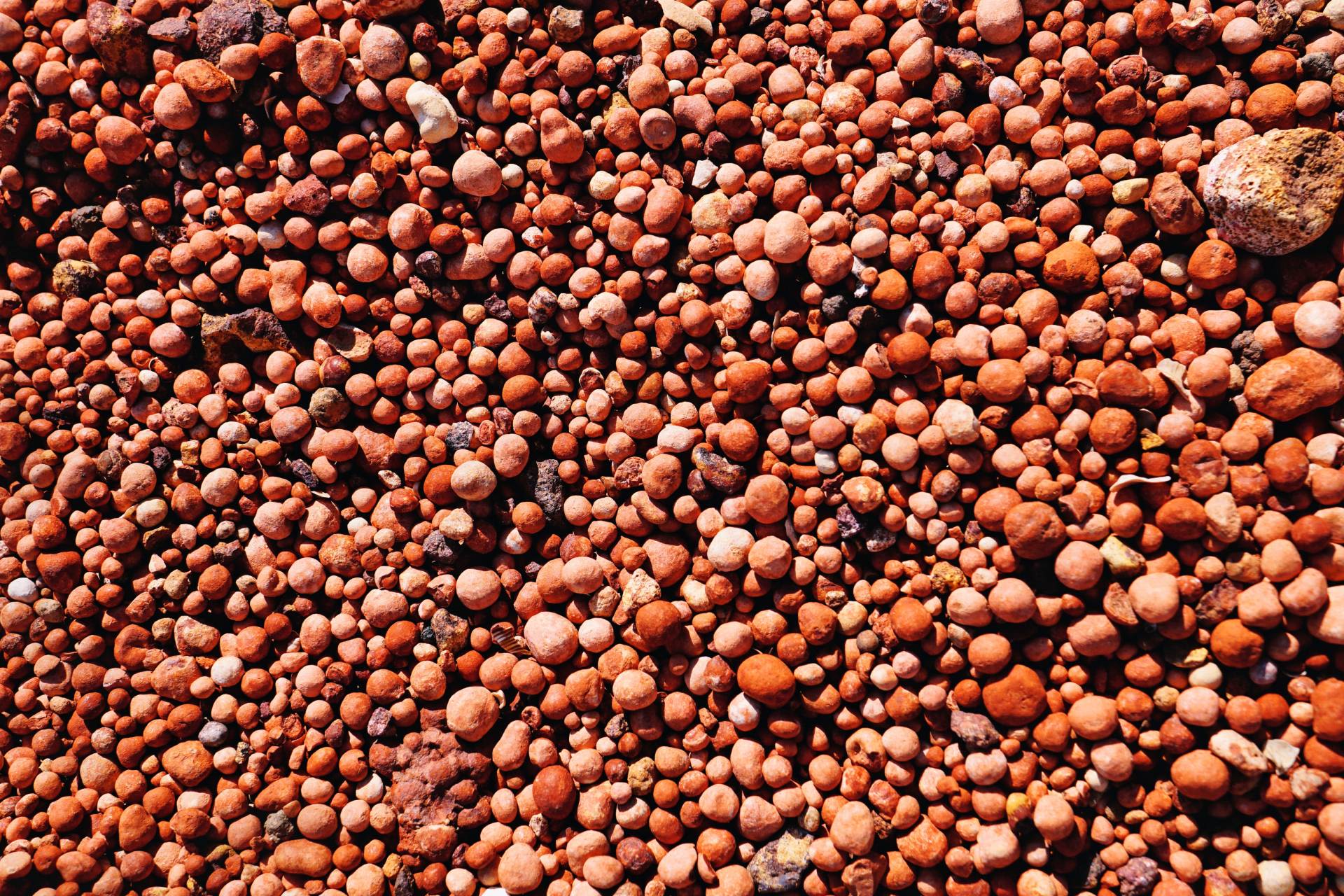
Bauxite: The Backbone of Aluminum Production and Its Complex Realities
What It Is: Bauxite is a rock rich in aluminum-bearing minerals and is the primary source of aluminum metal. It is formed through the weathering of aluminum-rich rocks over millions of years. Bauxite ore contains minerals like gibbsite, boehmite, and diaspore, with aluminum oxide (alumina) being the main component.
Geographical Distribution and Coexistence: Bauxite deposits are distributed globally, with significant reserves found in countries like Australia, Guinea, Brazil, and China. Bauxite deposits often coexist with other minerals like iron ore, silica, and various clays. For example, in the Guinea-Suriname region of West Africa, bauxite deposits are often found alongside iron ore, contributing to the region's economic potential.
Benefits to Society and Utilization: The significance of bauxite lies in its role as the primary source of aluminum, a crucial metal used in a wide range of industries. Aluminum's lightweight and corrosion-resistant properties make it essential in aerospace, construction, packaging, and transportation industries. It is used in everything from airplanes and cars to beverage cans and electronics, including components for solar panels and computers.
Key Issues:
- Environmental Impact: Bauxite mining can lead to deforestation, habitat destruction, and soil erosion, particularly in tropical and rainforest regions.
- Water Usage: Extraction and processing of bauxite require substantial water consumption, potentially straining local water resources.
- Social Disruption: Mining operations can displace local communities, raise concerns about land rights, and impact traditional livelihoods.
- Health and Safety: Occupational health hazards can arise from exposure to dust, gases, and chemicals during mining and processing.
- Economic Dependence: Countries heavily reliant on bauxite mining can face economic vulnerability due to fluctuations in global aluminum prices.
- Regulation and Oversight: Ensuring responsible mining practices and managing the environmental and social impacts of bauxite extraction remain challenges.
Factors Affecting Supply and Demand: Several factors influence the supply and demand dynamics of bauxite:
- Aluminum Demand: As aluminum is a fundamental material in various industries, the demand for bauxite directly relates to global aluminum consumption.
- Infrastructure Development: Economic growth and infrastructure projects drive demand for aluminum and thus bauxite, as construction and transportation industries require aluminum-based products.
- Technological Advancements: Emerging applications in aerospace, electronics, and renewable energy can impact bauxite demand.
- Trade Policies: Changes in international trade policies, tariffs, and regulations can influence the supply and demand of bauxite.
- Environmental Considerations: Increasing emphasis on sustainability and responsible sourcing can shape the supply chain of bauxite.
In conclusion, bauxite plays a vital role in society as the primary source of aluminum, a versatile and essential material. Its presence alongside other minerals highlights its geological complexities. However, the benefits of bauxite come with environmental, social, and economic challenges that need to be addressed. Supply and demand dynamics are influenced by factors ranging from technological advancements to trade policies, underscoring the multifaceted nature of this critical mineral.
References:
- U.S. Geological Survey. (2021). Mineral Commodity Summaries - Aluminum.
- International Aluminium Institute. (2021). Bauxite and Alumina.
- United Nations Environment Programme. (2018). Bauxite Mining in Guinea.
- World Aluminium. (2021). Applications of Aluminium.
- European Aluminium. (2021). Sustainable Bauxite Mining Guidelines.
